
Many high school students enter college thinking they want to be a nurse or a doctor. Maybe they have had an important experience where they received compassionate care that they want to emulate. Or maybe they feel called to care for others. No matter the reason, pre-med and pre-nursing are popular health care tracks to pursue in college.
However, if you are exploring a future in the medical system, consider getting to know the variety of careers that fall under the allied health umbrella. The following article highlights a range of professions with different educational paths, responsibilities and salary outlooks. Think you are interested in health care? Keep reading to figure out where your interests and strengths might best fit or serve others.
What does “allied health” mean?
The modern health care system depends on more than the work of physicians and nurses. Behind every diagnosis, treatment plan and patient success story is a network of allied health professionals who deliver expertise across clinical, diagnostic and therapeutic settings. These individuals make up a significant share of the health care workforce, providing support that keeps hospitals, clinics and community health programs running efficiently.
Check out these different career paths, what they entail and their median earning potential.
15 Allied Health Career Paths
-
Physician Associate (PA), formerly called physician assistant.
PAs conduct exams, order and interpret tests, diagnose, treat, prescribe and collaborate across specialties. Like doctors who attend medical school, PAs complete a graduate program and require state licensure.Earning potential: Median annual wage $133,260.
-
Respiratory Therapist
Respiratory therapists care for patients who have trouble breathing. These patients can include premature infants to older adults with chronic lung disease. A bachelor’s degree is preferred, but in most states, therapists must also pass licensing.Earning potential: Median annual wage $80,450
-
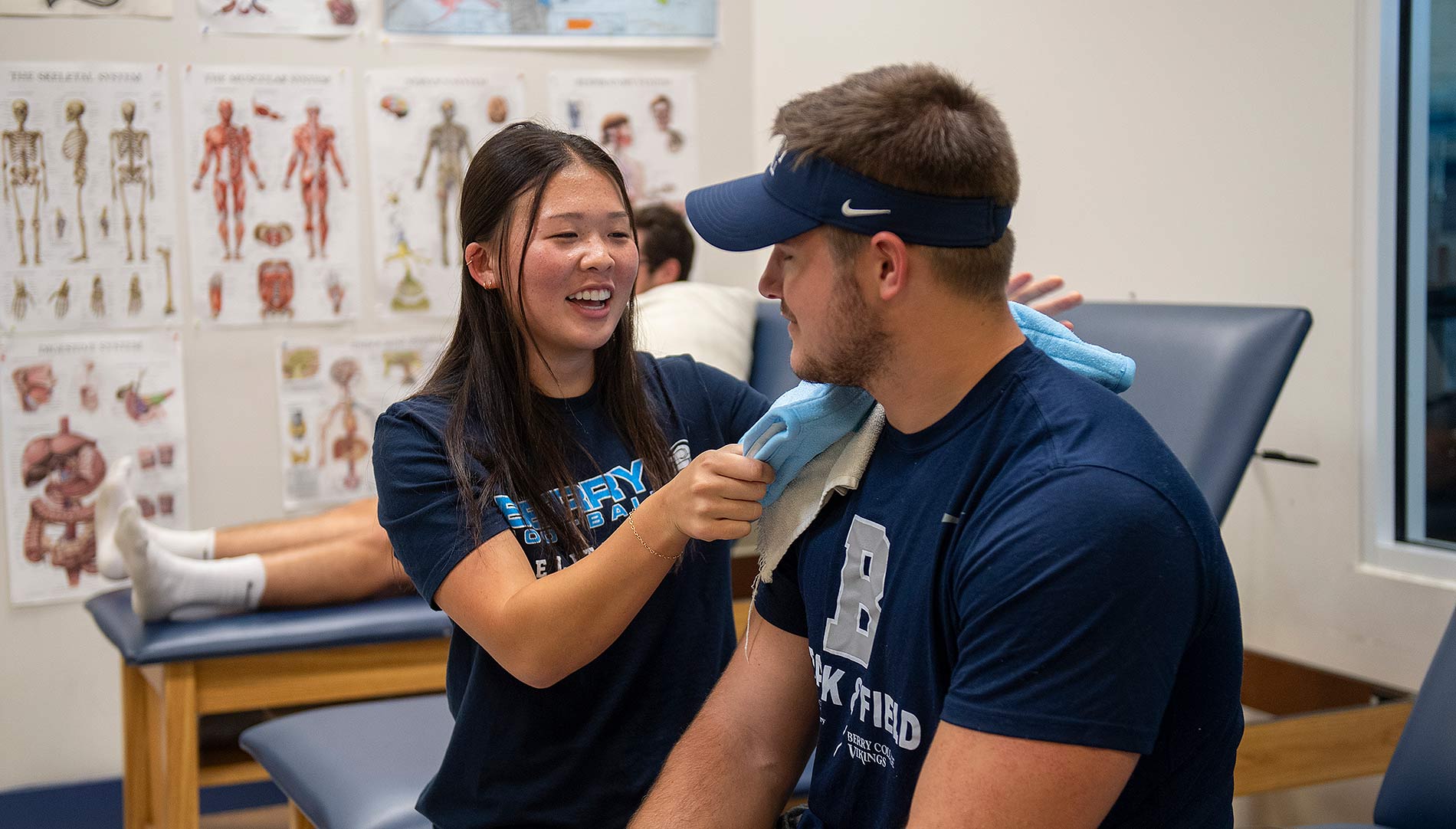
Athletic Trainer
Athletic trainers prevent, diagnose and treat muscle and bone injuries and illnesses. A master’s degree is required as well as certification.Earning potential: Median annual wage $60,250.
-
Audiologist
Audiologists diagnose and treat hearing and balance disorders, fit hearing aids and cochlear implants, and counsel patients and families. Beyond a bachelor’s degree, this profession requires a Doctor of Audiology (Au.D.) and state licensure.Earning potential: Median annual wage $92,120.
-
Cardiovascular Technologist and Technician
These clinicians run diagnostic tests (e.g., EKGs, stress tests) and assist in heart‑ and lung‑related procedures. This work requires a bachelor’s degree, and some states require licensing.Earning potential: Median annual wage $67,170.
-
Clinical Laboratory Technologist and Technician
Lab professionals analyze blood and tissue samples that inform diagnoses and treatments. Technologists typically hold a bachelor’s degree, and licensure may be required.Earning potential: Median annual wage $61,890.
-
Diagnostic Medical Sonographer
Sonographers operate ultrasound equipment across specialties (OB/GYN, abdominal, vascular and more), synthesize images and collaborate closely with physicians. Most have an associate’s degree or postsecondary certificate plus certification.Earning potential: Median annual wage $89,340.
-
Dental Hygienist
Hygienists clean teeth, take X‑rays, apply sealants, assess for oral disease and provide patient education. Dental hygienist programs usually take about three years, and all states require licensure.Earning potential: Median annual wage $94,260.
-
Dietitian and Nutritionist
Dietitians evaluate nutrition status, develop meal plans and lead programs that support health and disease prevention. A bachelor’s degree, state licensure and credentialing are common.Earning potential: Median annual wage $73,850.
-
Emergency Medical Technician (EMT) and Paramedic
EMTs respond to emergencies, provide immediate car and transport patients. Training and licensure are required; paramedics complete more advanced education and scope of practice.Earning potential: Median annual wage $46,350.
-
Health Education Specialist
Health education specialists develop and deliver programs that help individuals and communities adopt healthy behaviors and navigate care. For example, lactation consultants are a type of health education specialist. Many of these roles typically require a bachelor’s degree, and certification may be preferred.Earning potential: Median annual wage $63,000.
-
Nuclear Medicine Technologist
These technologists prepare and administer radiopharmaceuticals and operate imaging equipment for diagnostic and therapeutic applications (e.g., PET, SPECT). This career requires formal education, certification and licensure.Earning potential: Median annual wage $97,020.
-
Occupational Therapist (OT)
OTs help people regain independence in daily activities, using therapeutic interventions and adaptive strategies. This profession typically requires a master’s degree and state licensure.Earning potential: Median annual wage $98,340.
-
Physical Therapist (PT)
PTs evaluate and treat movement dysfunction and pain through exercise, manual therapy and education. This career path requires a Doctor of Physical Therapy (DPT) and state licensure.Earning potential: Median annual wage $101,020.
-
Speech‑Language Pathologist (SLP)
SLPs assess and treat speech, language, voice and swallowing disorders across the lifespan. This profession requires a master’s degree, supervised clinical experience and state licensure.Earning potential: Median annual wage $95,410.
Pursue an Allied Health Career
This list represents only a portion of the opportunities available in health care. Many of these roles require at least a bachelor’s degree as a foundation, and some require advanced graduate education. To compare education and licensing expectations across careers, explore the BLS Occupational Outlook Handbook’s health care section.
If you’re ready to begin your journey, Berry provides hands‑on learning experiences, strong professional networks and personalized advising designed to prepare you for success in health care professions. Explore our pre‑medical studies, kinesiology studies and physician associate program. Berry also offers unique clubs for students to connect with local professionals, such as the Allied Health Club. Or reach out to an admissions counselor to learn how you can build a strong foundation for a future in allied health.