News & Stories
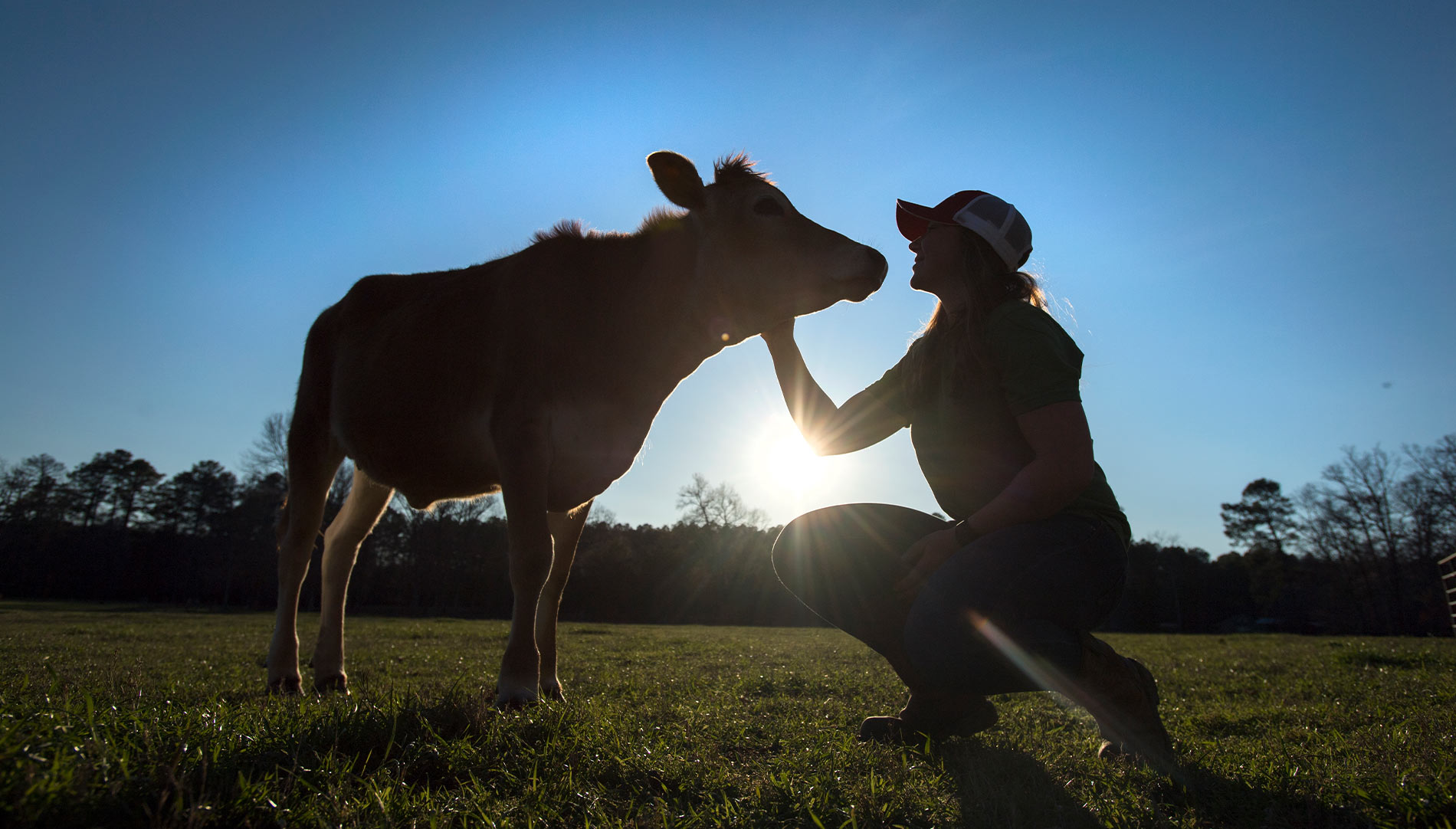
A silhouette of a female student kneeling in front of a cow
June 11, 2026

In-demand and Emerging Careers in Animal Science

Are you drawn to animals, their habits, diets or training? Would you enjoy caring for farm animals or animals in the wild? Or do you have a general passion and curiosity for nature and all living things? If any of these descriptions sound like you, an animal science degree might be worth considering.

Animal science is a field that blends animal biology, nutrition, health, behavior and even business to prepare you for a wide range of careers. From veterinary medicine and wildlife conservation to farm management, research and animal rehabilitation, the opportunities within animal science are broader and more in demand than you might expect.

${_EscapeTool.xml($imgAlt)}

Where growth is happening

While you might be more familiar with jobs like veterinary medicine or zoology, many other career paths are less well-known in this field. In a previous article, we shared 20 animal-related careers available to animal science students. In recent years, however, opportunities in animal science are thriving in new and interesting areas.

Two areas of focus have seen significant growth: animal companionship and animal ethics. For different reasons, the world needs more experts in both fields.

Animal companionship

According to the American Pet Products Association, animal companionship is projected to be a $165 billion dollar industry in the coming years if pet ownership continues its upward trajectory. Based on surveys, it is estimated that over 70% of American households own a pet, making the U.S. one of the most pet-loving countries in the world.

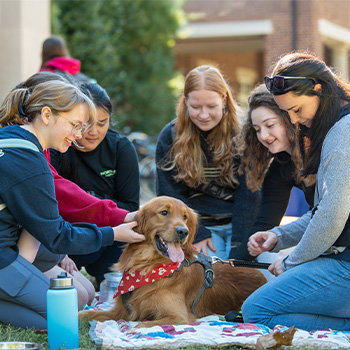
But animal companionship goes beyond the home, as they are now an integral part of different types of therapy and care. If you are interested in ways that animals can make life better for humans, keep reading!

${_EscapeTool.xml($imgAlt)}

Animal ethics and care

From wildlife and conservation to regulatory practice and animal welfare, the world needs more people who care about the needs of animals. Famously, Sir David Frederick Attenborough, a natural historian for the BBC, said, “No one will protect what they don’t care about; and no one will care about what they have never experienced.”

As interest in taking better care of the planet and all its inhabitants increases, careers in the ethics of animal conservation and care are also growing. Organizations focused on these issues need people who care deeply about protecting and providing for the animals they share their environment with.

The careers and opportunities listed below highlight jobs broadly in animal companionship and ethics. To report earning potential, we've referenced trusted sources such as animal associations and job descriptions from Bureau of Labor Statistics (BLS).

${_EscapeTool.xml($imgAlt)}

11 in-demand jobs for animal lovers


Work with animal companionship and care

  1. Animal behaviorist
    Animal behaviorists study how animals react, learn and respond to their environments. They work in shelters, zoos, research settings and private practice. For more information on this career path, the Animal Behavior Society and the International Association of Animal Behavior Consultants are excellent resources.

    Earning potential: the median annual salary for animal behaviorists is about $54,000, based on related BLS behavioral science categories.

  1. Equine specialist
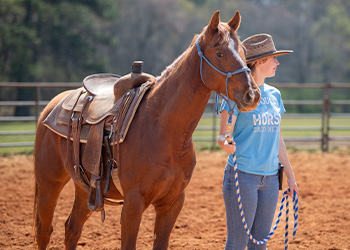
    Equine specialists work in training, reproduction, therapy and sports medicine. The field has broadened as equine-assisted programs and performance horse industries continue to grow. The American Association of Equine Practitioners supports practitioners, as do organizations such as the Certified Horsemanship Association.

    Earning potential: equine specialists typically earn $40,000 to $65,000, depending on specialization and setting.

${_EscapeTool.xml($imgAlt)}
  1. Canine rehabilitation therapist
    Canine rehabilitation therapists use physical therapy techniques to help dogs recover from injury, surgery or age-related mobility issues. The Canine Rehabilitation Institute and the American Association of Rehabilitation Veterinarians support experts in this area.

    Earning potential: certified canine rehabilitation therapists generally earn $55,000 to $85,000, according to industry data and BLS categories.

  1. Pet nutrition consultant
    Pet nutrition consultants advise owners on diets, supplements and feeding plans. To learn more about this occupation, check out the American College of Veterinary Nutrition or the Pet Nutrition Alliance.

    Earning potential: pet nutrition consultants typically earn $45,000 to $70,000, depending on certification and setting.

${_EscapeTool.xml($imgAlt)}
  1. Animal shelter operations director
    Shelter operations directors oversee staff, animal care, community programs and adoption services. They often rely on resources from the Association for Animal Welfare Advancement and the Humane Society of the United States.

    Earning potential: shelter operations directors earn $55,000 to $85,000, according to nonprofit management salary data.

Animal Ethics and Care

  1. Aquarist
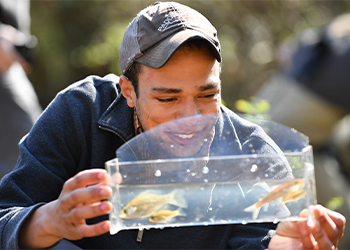
    Aquarists care for marine and freshwater species in aquariums, research facilities and rehabilitation centers. Many work in institutions accredited by the Association of Zoos and Aquariums.

    Earning potential: the median annual salary for aquarists is $45,000 to $58,000, based on aquarium and zoological salary surveys.

${_EscapeTool.xml($imgAlt)}
  1. Animal welfare compliance officer
    Compliance officers ensure humane treatment standards are met in agriculture, research, transportation and corporate supply chains. They often work with guidelines from the U.S. Department of Agriculture’s Animal and Plant Health Inspection Service and accreditation bodies such as the Association for Assessment and Accreditation of Laboratory Animal Care.

    Earning potential: animal welfare compliance officers earn $50,000 to $78,000, based on BLS compliance officer data and industry reports.

  1. One Health practitioner
    One Health practitioners work at the intersection of human, animal and environmental health. They address issues such as disease, food systems and ecosystem health. Many collaborate with organizations such as the CDC One Health Office, the One Health Commission and the World Health Organization’s One Health Initiative. Berry College offers a One Health minor alongside coursework in animal science.

    Earning potential: salaries vary widely by role, but many One Health professionals earn $60,000 to $90,000, according to public health and environmental science salary data.

${_EscapeTool.xml($imgAlt)}
  1. Wildlife forensic scientist
    Wildlife forensic scientists support investigations related to poaching, trafficking and illegal wildlife trade. They often work with agencies such as the U.S. Fish and Wildlife Service Forensics Laboratory and the Society for Wildlife Forensic Science.

    Earning potential: wildlife forensic scientists earn $55,000 to $75,000, based on forensic science technician data from the BLS.

  1. Geographic Information Systems (GIS) wildlife mapping specialist
    GIS wildlife mapping specialists track migration patterns, habitat changes and conservation needs. Many develop skills through organizations such as the Society for Conservation GIS.

    Earning potential: GIS specialists in wildlife and conservation typically earn $55,000 to $78,000, according to BLS cartographer and GIS analyst data.

${_EscapeTool.xml($imgAlt)}
  1. Invasive species technician
    Invasive species technicians help monitor, manage and remove invasive species that threaten ecosystems. They often work with resources from the National Invasive Species Information Center and the U.S. Geological Survey’s Invasive Species Program.

    Earning potential: invasive species technicians generally earn $38,000 to $48,000, based on environmental technician salary data from the BLS.

Your future paws-sibilities

Whether your passion lies in caring for pets or protecting wildlife, animal science, along with several other degrees such as environmental science, can offer a path that is both meaningful and impactful. As industries continue to grow, so will the demand for people who understand animals and who advocate for their meaningful connection with humanity.

Interested in 20 more careers with animals? Find more options for working with animals, from cuddly careers to slimy occupations, in our 2020 article “Careers with Animals!”

${_EscapeTool.xml($imgAlt)}

If you’re considering a future working with animals, explore where an animal science degree could take you. Learn more about programs at Berry College, hands-on experiences and career pathways that can help turn your passion into a purposeful career.