News & Stories
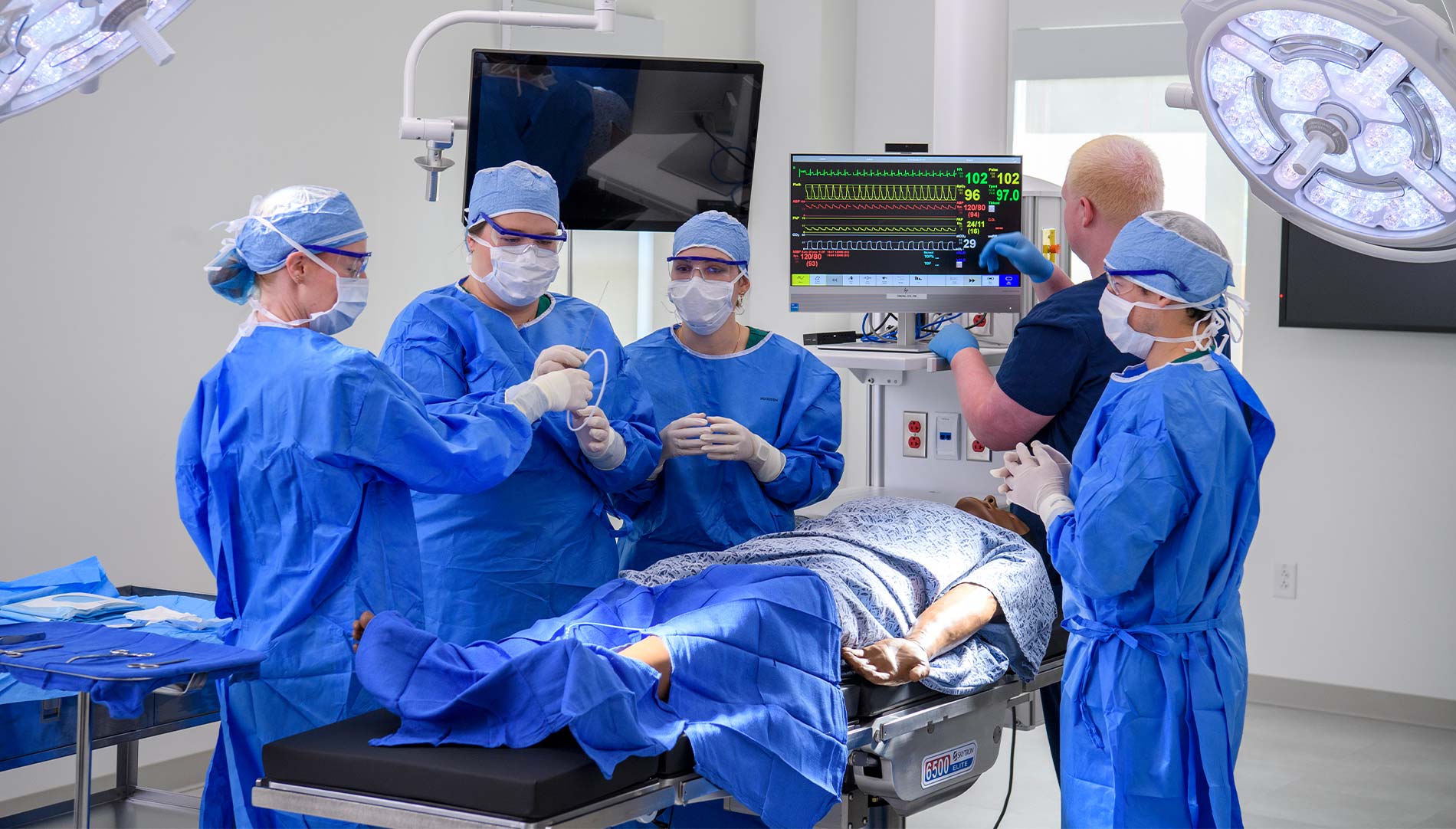
Group of students in a mock surgery room preparing for a surgery
October 15, 2026

Pre-Med Planning 101: How to Choose a Major and Prepare for Medical School

Whether you are a high school student exploring colleges or someone considering a career change, there is no wrong time to start planning for medical school. But there are some support systems certain colleges offer that others don’t. This blog will help you think beyond the traditional pre-med major. It also explains why there’s no one-size-fits-all roadmap to medical school.

What matters most is completing the required coursework, gaining clinical experience, performing well on the Medical College Admission Test (MCAT) and preparing a strong application that reflects your interests and strengths. At a school like Berry College, students work closely with a director of pre-health advising along with their major advisor to build individualized plans to navigate every stage of the medical school process. Want to learn more about what it takes to get to medical school and which are the best support systems along the way? Keep reading!

Step One: Choose a major you’re excited about

Many students assume biology is the only major for future physicians. In reality, medical schools accept students from every academic discipline. According to Christopher Mingone, associate lecturer of biology and director of pre-health advising at Berry College, the most important factor is choosing a field that genuinely interests you.

Today, medical schools are more interested in applicants who bring diverse perspectives to healthcare. Students who pursue majors that inspire and deeply engage them often perform better. They’re perceived in applications and interviews as more sincere about their work and futures. Check out various areas a pre-med major might choose to study.

Science-focused majors


Biology: a traditional pre-med path

Biology remains a popular major for aspiring physicians. The curriculum overlaps with medical school prerequisites. Berry’s pre-health alumni report that advanced biology coursework eases the transition into a medical school's curriculum. Still, there’s no evidence that this scientific discipline offers advantages over other pre-med applicants.

Best fit for students who love life sciences, want laboratory experience and appreciate that the rigor and coursework overlap for future medical studies.

${_EscapeTool.xml($imgAlt)}

Biochemistry: a strong foundation for the MCAT

Students interested in medicine at the molecular level may find biochemistry appealing. The major combines biology and chemistry while emphasizing how biological systems function at the cellular and chemical level. Students who have a foundation in this field study complex processes like metabolism. This major will prepare students with the right medical prerequisite courses.

Biochemistry is also useful because it aligns with many concepts tested on the MCAT.

Best fit for students who enjoy both chemistry and biology, are interested in research and want rigorous preparation for advanced scientific study.

Exercise science: understanding human performance and health

In exercise science, students spend less time on the molecular level and more on the physics of the human body. This major provides an understanding of anatomy, physiology, movement and wellness. Students gain a well-rounded foundation of how the body responds to exercise, injury and recovery. Many have exposure to patient care through internships and practical experiences. This track is especially suited for those interested in sports medicine or orthopedics.

Best fit for students who enjoy studying the human body in action, want practical exposure to patient care and prefer applied learning experiences.

${_EscapeTool.xml($imgAlt)}

Human-centered majors


Psychology: exploring the human side of healthcare

Medicine increasingly recognizes the importance of whole-person care, so psychology has become an option. Students gain expertise in research and statistical analysis while exploring human behavior. Psychology coursework pairs well with material tested on the MCAT. It also helps future physicians communicate with patients from diverse backgrounds.

Best fit for students who are interested in mental health and behavior, enjoy studying people and relationships and want a deeper understanding of patient perspectives.

Sociology, religion and philosophy: growing compassionate caregivers

Successful physicians need more than scientific knowledge. They must learn a respectful bedside manner, navigate ethical dilemmas, understand cultural differences and interact effectively with patients facing difficult circumstances.

Majors such as sociology, religion and philosophy encourage students to examine questions of ethics, culture and human experience. These perspectives help students approach patients with empathy and develop cultural awareness of the communities they will serve. For example, students who study sociology learn the fundamentals of social structures and collective human behavior. That’s why it was added to the MCAT structure in 2015.

Best fit for students who enjoy discussion and big-picture thinking, are interested in ethics and culture and want to strengthen critical reasoning and communication skills.

${_EscapeTool.xml($imgAlt)}

Complementary career majors


Economics and Spanish: expanding impact

Some students choose majors that complement medical schools with broader experience and knowledge. For example, an economics major provides future physicians with knowledge about healthcare policy, resource allocation and practice management. Languages such as Spanish enhance communication with patients and prepare students to serve diverse communities and populations.

In both examples, students develop skills that extend beyond traditional scientific preparation while supporting a medical career. Still, students who pursue these pathways must meet medical school prerequisites.

Best fit for students who want a broader perspective on healthcare systems, are interested in policy, leadership or administration and want to communicate effectively with diverse patient populations.

In the end, the best major for medical school is not necessarily the one with the most science courses. Choosing a major is more about equipping you to become an engaged, inspired student as you prepare for your future.

${_EscapeTool.xml($imgAlt)}

“Find something you are excited and passionate about and build on that,” says Mingone. “Develop an excitement for learning, explore topics outside your comfort zone and become a voracious reader.”

Step two: Complete medical school prerequisites

While your major is flexible, medical school prerequisites are not. Most medical schools require coursework in:

  • Biology
  • General chemistry
  • Organic chemistry
  • Physics
  • English
  • Biochemistry

Students should complete psychology and sociology coursework, as they’re tested on the MCAT. School-specific requirements vary, making early planning essential whatever your track. Tools such as the Medical School Admission Requirements (MSAR) database aid students in identifying expectations at their target schools.

When students juggle this level of curriculum complexity, personalized advising and coordination become important. Pre-health advisors partner with traditional academic advisors to create a plan tailored to a student’s interests and medical school goals. As Mingone frequently notes, “No two students are exactly alike, so neither should their path to medical school be exactly the same.”

Step three: Gain meaningful clinical experience

Strong grades and test scores alone are not enough. Medical schools want evidence that you understand what a future in healthcare requires on a daily basis. For students, gaining clinical exposure and spending time with patients and healthcare professionals are must-do's before they apply.

Common experiences include:

  • Physician shadowing
  • Volunteering in healthcare settings
  • Hospice work
  • Hospital experiences
  • Clinical employment opportunities
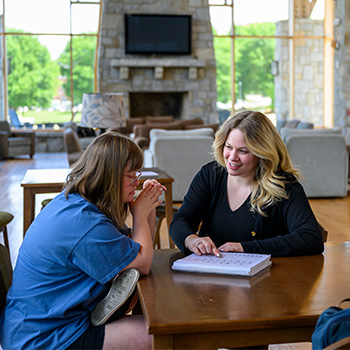
At Berry, students benefit from established community relationships that connect them with shadowing and clinical opportunities throughout the region.

For example, BCC 150 is a course designed to encourage students to explore healthcare careers firsthand. Students ask questions, explore different professions and develop professional connections. They also reflect on which healthcare pathway best aligns with their interests and goals. Led in partnership with orthopedic surgeon Dr. Brad Bushnell, this course brings in physicians, physician assistants, nurse practitioners, dentists, therapists, veterinarians, medical students and other healthcare professionals to discuss what life is like in each profession.

${_EscapeTool.xml($imgAlt)}

Step four: Prepare for the MCAT

The MCAT remains one of the most significant components of a medical school application. Many students choose to take the exam during the spring of their junior year, allowing time for a retake if necessary. Thorough preparation, along with content knowledge, is key to success on the exam. Having a group to study with, specialized resources and accountability can make a huge difference in student preparedness.

For example, Berry students have access to specialized preparation resources, including a discounted Kaplan MCAT course, which supports study plan development and strengthens their performance before applying.

Step five: Draft a competitive application

Medical schools are particularly interested in activities that demonstrate one or more of the 15 core competencies outlined by the Association of American Medical Colleges (AAMC). Applicants should also demonstrate:

  • Leadership
  • Service
  • Research experience
  • Communication skills
  • Resilience
  • Ethical decision-making

Students demonstrate these competencies through their personal statements and letters of recommendation. Personal statements are a great place to explain why their experiences matter or give further detail about what makes them unique candidates. Similarly, when professors, physicians, supervisors and mentors write personalized recommendation letters and speak to their strengths in detail, this gives students a major leg up. Having these personal accounts is a serious reason to consider a school that keeps you from being just one out of 100 students in a science lecture hall.

Step six: Navigate the application process

Most students apply to MD programs through The American Medical College Application Service (AMCAS), while osteopathic applicants use the American Association of Colleges of Osteopathic Medicine Application Service (AACOMAS). Once primary applications are submitted, many schools send secondary applications requiring additional essays. These should be completed within one to two weeks.

Students who receive interview invitations should practice extensively and seek feedback from mentors and advisors. In mock interviews and application workshops, applicants learn to communicate their experiences with confidence. Berry also offers a course focused on the medical school application process and includes insights from students who have successfully navigated admissions.

${_EscapeTool.xml($imgAlt)}

There is no single “right” path to medical school.

The best preparation for applying to medical school is realizing that you don’t have to do it alone. It requires building a thoughtful academic plan, completing prerequisite coursework, gaining meaningful clinical experiences and working with mentors who understand the medical school admissions process.

Every major offers unique strengths. The key is finding a path that connects with your interests while preparing you for the challenges ahead. With individualized advising, hands-on experiences and a robust liberal arts foundation, students will put together applications that reflect their academic abilities and their potential to become compassionate healthcare professionals.

${_EscapeTool.xml($imgAlt)}