“Find something you are excited and passionate about and build on that,” says Mingone. “Develop an excitement for learning, explore topics outside your comfort zone and become a voracious reader.”
Step two: Complete medical school prerequisites
While your major is flexible, medical school prerequisites are not. Most medical schools require coursework in:
- Biology
- General chemistry
- Organic chemistry
- Physics
- English
- Biochemistry
Students should complete psychology and sociology coursework, as they’re tested on the MCAT. School-specific requirements vary, making early planning essential whatever your track. Tools such as the Medical School Admission Requirements (MSAR) database aid students in identifying expectations at their target schools.
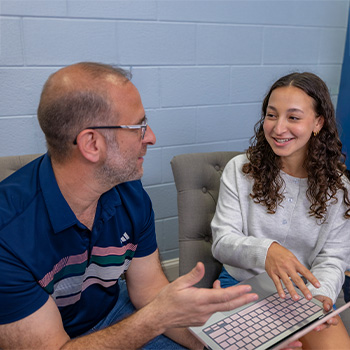
When students juggle this level of curriculum complexity, personalized advising and coordination become important. Pre-health advisors partner with traditional academic advisors to create a plan tailored to a student’s interests and medical school goals. As Mingone frequently notes, “No two students are exactly alike, so neither should their path to medical school be exactly the same.”
Step three: Gain meaningful clinical experience
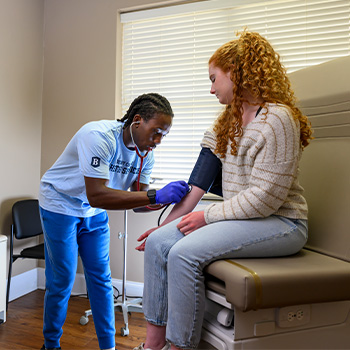
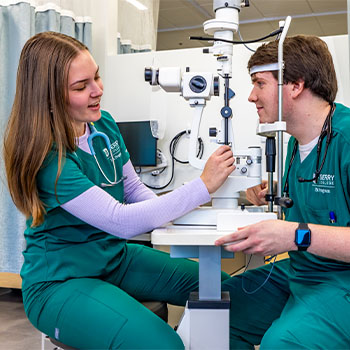
Strong grades and test scores alone are not enough. Medical schools want evidence that you understand what a future in healthcare requires on a daily basis. For students, gaining clinical exposure and spending time with patients and healthcare professionals are must-do's before they apply.
Common experiences include:
- Physician shadowing
- Volunteering in healthcare settings
- Hospice work
- Hospital experiences
- Clinical employment opportunities